
Real people. Real lives.
A real-world peptide study built around routines people have already chosen.
Real-World Evidence Studies
Ēnel studies begin with what people are actually using, experiencing, changing and stopping outside a controlled trial. We turn those signals into structured research questions, then define the population, exposure, primary endpoint, timepoint and analysis rules before confirmation.
Real-World Peptide Study
A prospective, non-interventional registry. Ēnel observes what happens over time rather than assigning treatment.
A real-world peptide study built around routines people have already chosen.
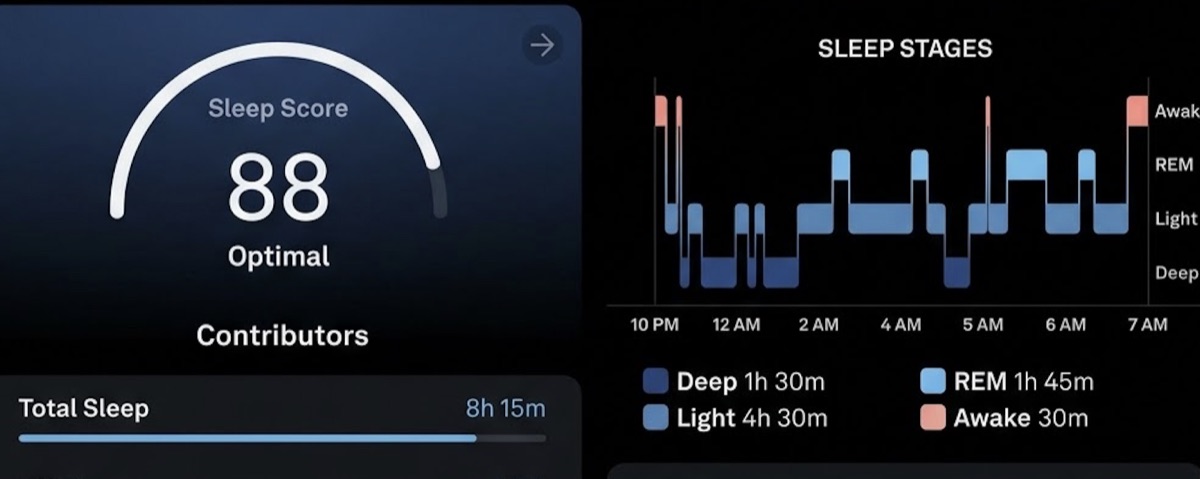
Participant-reported outcomes, supported by relevant objective measures.

Document what was reported and track unwanted experiences separately.
Ēnel is designed to learn from the diversity of real-world experience rather than filter it out. Questions can emerge from participants, clinicians, community patterns, and existing research, then be studied across people with different routines, backgrounds, responses, and outcomes.
The goal is not to make real life look cleaner. It is to design research that can learn from it.
Study design
Find a real-world signal worth studying.
Turn it into a measurable research question.
Set the endpoint and analysis before confirmation.
Use prospective or held-out data, including using or extending a cohort study arm to test further claims.
Report what the evidence actually supports.
A common set of longitudinal measures forms the research backbone. New claims can then be tested through predefined modules without starting from zero, while the registry continues capturing the full course of real-world use.
Ēnel is developing a proprietary real-world evidence framework. Certain implementation details are intentionally not disclosed while elements of the methodology are evaluated for intellectual-property protection.
Start participating